What Gloves Are Used in Cleanrooms? A Complete Guide

Cleanrooms are highly controlled environments used in industries such as semiconductor manufacturing, microelectronics, pharmaceuticals, and precision optics. In these environments, even microscopic particles can lead to contamination and product defects.
To prevent contamination caused by human contact, workers must wear specialized cleanroom gloves. But what gloves are actually used in cleanrooms?

Gaolebo Product R&D and Manufacturing Center

Why Gloves Are Required in Cleanrooms?

Human skin constantly releases particles, oils, and microorganisms. Without proper protection, these contaminants can easily affect sensitive manufacturing processes.
Cleanroom gloves help:
Prevent contamination from skin particles
Reduce electrostatic discharge (ESD) risks
Maintain ISO cleanroom standards
Protect delicate electronic components
In industries like semiconductor manufacturing, even a single microscopic particle can affect product quality.

Common Types of Gloves Used in Cleanrooms

Common options include nitrile gloves, latex gloves, and cleanroom seamless gloves. Each type offers different advantages in terms of comfort, particle control, and durability.
This guide explains the most common types of cleanroom gloves and why cleanroom seamless gloves are increasingly preferred in high-precision manufacturing environments.
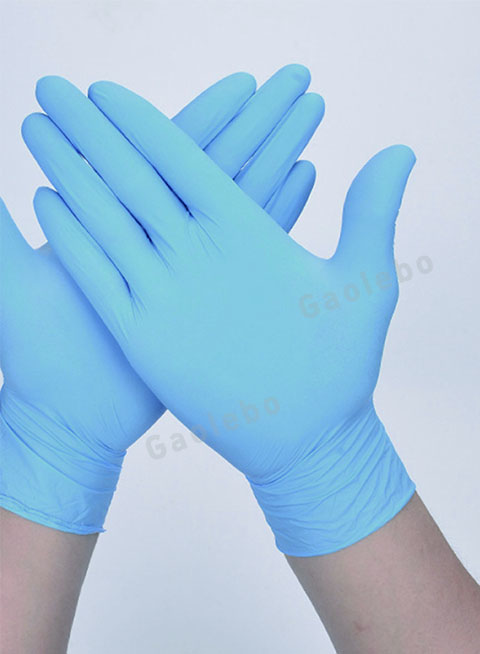
Nitrile Cleanroom Gloves

Nitrile Gloves

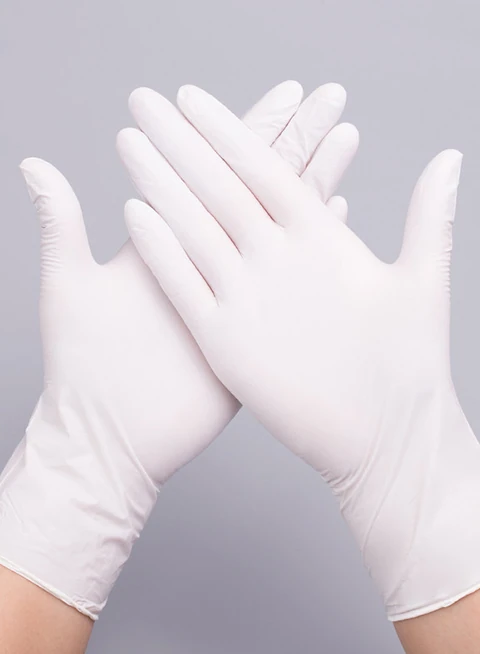
Latex Cleanroom Gloves

Latex Gloves

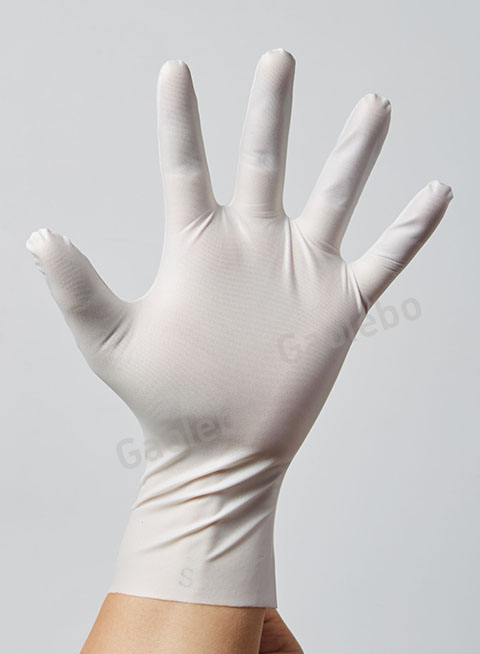
cleanroom seamless gloves for ISO Class 5 and 6 environments fabric

Seamless Gloves

Gaolebo Product R&D and Manufacturing Center

Nitrile Cleanroom Gloves

Nitrile gloves are widely used because they are disposable and offer good chemical resistance.
They are suitable for short-term tasks such as:
chemical handling
laboratory work
maintenance tasks
However, nitrile gloves may have some limitations in long working shifts.
Disadvantages of nitrile gloves include:
lower breathability during long wear
less comfort for extended use
Because of these factors, nitrile gloves are often used for temporary tasks rather than long manufacturing operations.

Latex Cleanroom Gloves

Latex gloves provide excellent elasticity and tactile sensitivity, which is helpful for delicate assembly work.
However, latex materials may cause allergic reactions for some users. Due to this concern, many cleanroom environments are gradually reducing latex glove usage.

Advantages of Cleanroom Seamless Gloves

Cleanroom Seamless gloves are becoming increasingly popular in industries such as semiconductor manufacturing and microelectronics production.
Compared with disposable gloves, seamless gloves offer several important advantages.

Soft and Comfortable for Long Working Hours

Seamless gloves are made using a knitted structure that provides a soft and flexible fit. Workers can wear them for long periods without experiencing irritation or itching.
This makes them ideal for manufacturing environments where operators must wear gloves for many hours.

Breathable but Dust Resistant

A key advantage of cleanroom seamless gloves is their breathable design. Moisture can escape while dust particles are still effectively controlled.
This helps workers maintain comfort without compromising cleanroom standards.

Low Particle Generation

In high-precision industries such as semiconductor fabrication, particle control is extremely important.
Cleanroom seamless gloves are designed to generate very low levels of particles, helping reduce contamination risks during sensitive manufacturing processes.

Reusable and Cost-Effective

Unlike disposable gloves, cleanroom seamless gloves can be washed and reused multiple times.
In many cases, they can be reused four to five times, helping manufacturers reduce both cost and waste.
This makes them a more sustainable and economical option.
How to Choose the Right Cleanroom Gloves

When selecting gloves for cleanroom use, several factors should be considered:
cleanroom classification (ISO class)
working duration
contamination sensitivity
comfort requirements
For short tasks or chemical handling, nitrile gloves may still be suitable. However, for long working hours and ultra-clean environments, cleanroom seamless gloves often provide better performance.

FAQ About Cleanroom Gloves

The best gloves depend on the cleanroom application. Disposable nitrile gloves are common for short tasks, while seamless cleanroom gloves are preferred for long working hours and low particle generation.
Yes, nitrile gloves are commonly used in cleanrooms because they provide chemical resistance and are disposable. However, they may be less comfortable for extended wear.
Seamless gloves generate fewer particles, provide better breathability, and offer improved comfort for workers who must wear gloves for long periods.
If you are looking for high-quality gloves designed specifically for semiconductor and electronics manufacturing environments, you can explore our cleanroom seamless gloves designed for ISO Class 5 and Class 6 cleanrooms.
Gaolebo Product R&D and Manufacturing Center

Gaolebo Gloves | All Rights Reserved.

starchevron-down linkedin facebook pinterest youtube rss twitter instagram facebook-blank rss-blank linkedin-blank pinterest youtube twitter instagram