Cleanroom Particle Count Explained: How Particle Size Causes Defects
Hello, this is the sales manager from Gaolebo Cleanroom Gloves. In cleanroom environments, particle size is not just a measurement — it directly affects product quality and yield. In this article, we explain how different particle sizes lead to real defects across industries.
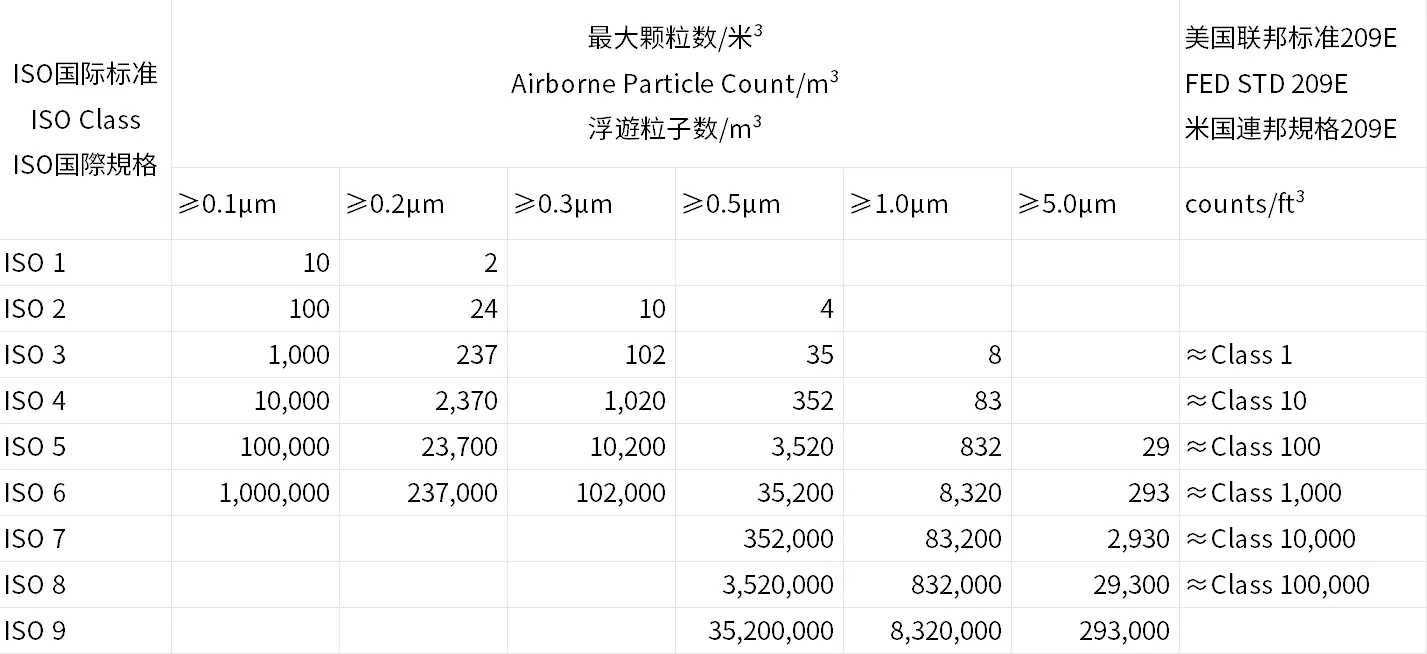
Particle count refers to the number of airborne particles within a specific volume of air. Cleanroom classification is based on these values, typically measured at sizes such as 0.3 μm, 0.5 μm, 1.0 μm, and 5.0 μm.
Even microscopic particles can cause defects in sensitive industries.
Why Particle Size Matters in Cleanrooms?
Particle size determines how contamination interacts with products:
Smaller particles → penetrate processes
Larger particles → cause visible defects
Mid-size (0.1–0.3 μm) → hardest to filter
Real Defect Examples by Particle Size
0.1 – 0.3 μm Particles
Semiconductor: causes circuit bridging or short circuits
Lithography: disrupts nanoscale patterns
Hardest to filter → highest risk
0.5 μm Particles
Standard reference size in cleanroom classification
Cleanroom particle count is not just a number — it directly determines product quality. Understanding how different particle sizes cause defects is essential for effective contamination control.
If you are looking for high-quality gloves designed specifically for semiconductor and electronics manufacturing environments, you can explore our cleanroom seamless gloves designed for ISO Class 5 and Class 6 cleanrooms.